Power certainty—
without waiting on the grid.
Forerunner Energy designs and deploys integrated behind-the-meter power systems for AI compute, hyperscale data centers, government, industrial, and mission-critical facilities. We create a faster path to energization when conventional utility capacity cannot meet the project schedule.
For qualified sites, Forerunner targets phased initial energization in under six months, subject to permitting, equipment availability, fuel infrastructure, site conditions, and final engineering.
Assess your site, power requirements, deployment schedule, resilience needs, and path to operational capacity.
Is your project actually ready to support AI-scale demand?
AI infrastructure readiness requires more than land, capital, equipment, or access to computing technology. A viable project must align power availability, utility strategy, site conditions, deployment timing, resilience, permitting, fuel resources, capacity growth, and long-term operations.
The Forerunner AI Infrastructure Readiness Audit helps identify where your project is prepared, where material constraints remain, and which actions should be prioritized next.
Power Readiness
- Current and projected capacity
- Utility availability
- Energization schedule
- Power quality
- Behind-the-meter alternatives
Site Readiness
- Site control
- Land and space requirements
- Zoning
- Environmental conditions
- Supporting infrastructure
Deployment Readiness
- Target operating date
- Development stage
- Procurement strategy
- Equipment lead times
- Decision authority
Resilience Readiness
- Reliability requirements
- Redundancy
- Islanding needs
- Backup duration
- Operational continuity
Scalability Readiness
- Initial capacity
- Full-build capacity
- Phased growth
- Cooling and auxiliary loads
- Long-term utility strategy
Execution Readiness
- Capital strategy
- Engineering resources
- Permitting pathway
- Stakeholder alignment
- Project governance
Receive a structured readiness perspective and identify the next decisions required to move toward operational capacity.
The facility can be ready before the power is.
Large electrical loads are being developed faster than utilities can expand substations, transmission capacity, generation resources, and service infrastructure. For data centers and critical facilities, the resulting delay can place land, equipment, construction schedules, customer commitments, and invested capital at risk.
Forerunner develops an on-site power pathway designed around the facility’s required capacity, operating profile, expansion schedule, resilience requirements, and long-term utility strategy.
Deployment Pathways
Build the power system with the project.
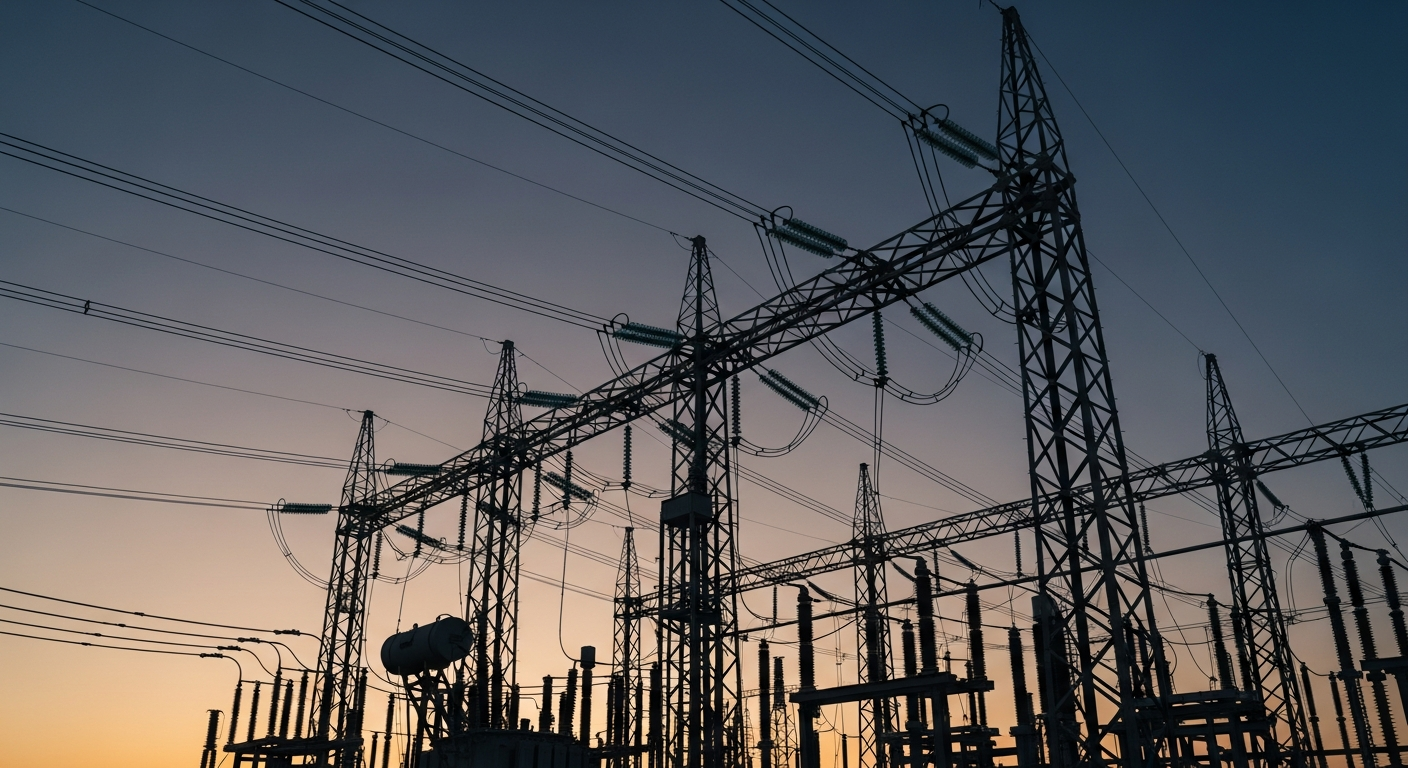
Accelerate Time-to-Power
Develop an actionable on-site power pathway instead of allowing the full utility delivery schedule to determine project readiness.
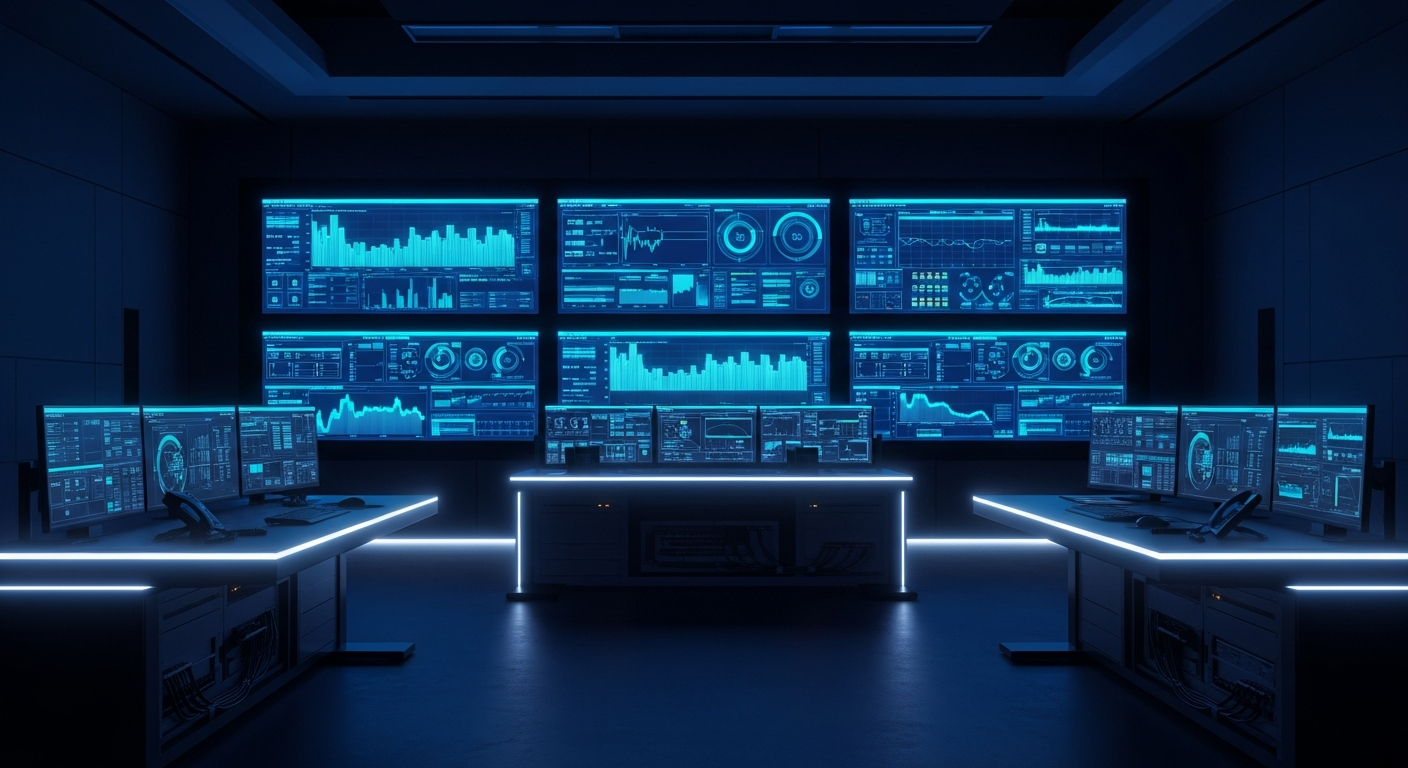
Protect Mission and Uptime
Combine generation, storage, controls, redundancy, and operating strategies around the facility’s actual reliability requirements.
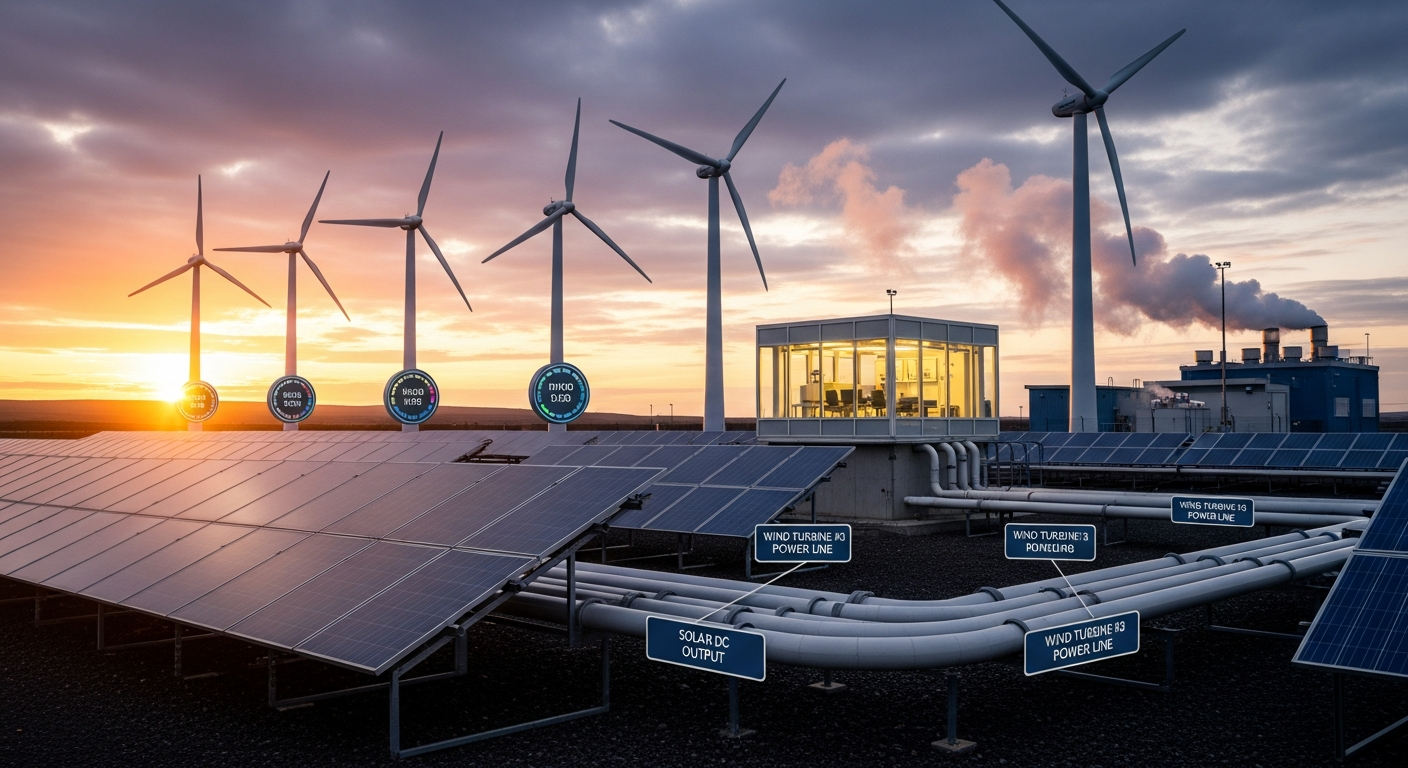
Scale Capacity in Phases
Deploy initial capacity, add additional blocks as demand grows, and coordinate the behind-the-meter system with the customer’s long-term utility strategy.
Power infrastructure located where the load operates.
A behind-the-meter system is installed on the customer’s side of the utility meter. It can generate, store, control, and distribute power directly to the facility while coordinating with the grid when utility service is available. The system architecture is designed around the site—not around a predetermined technology.
Engineered for power-constrained, mission-critical operations.
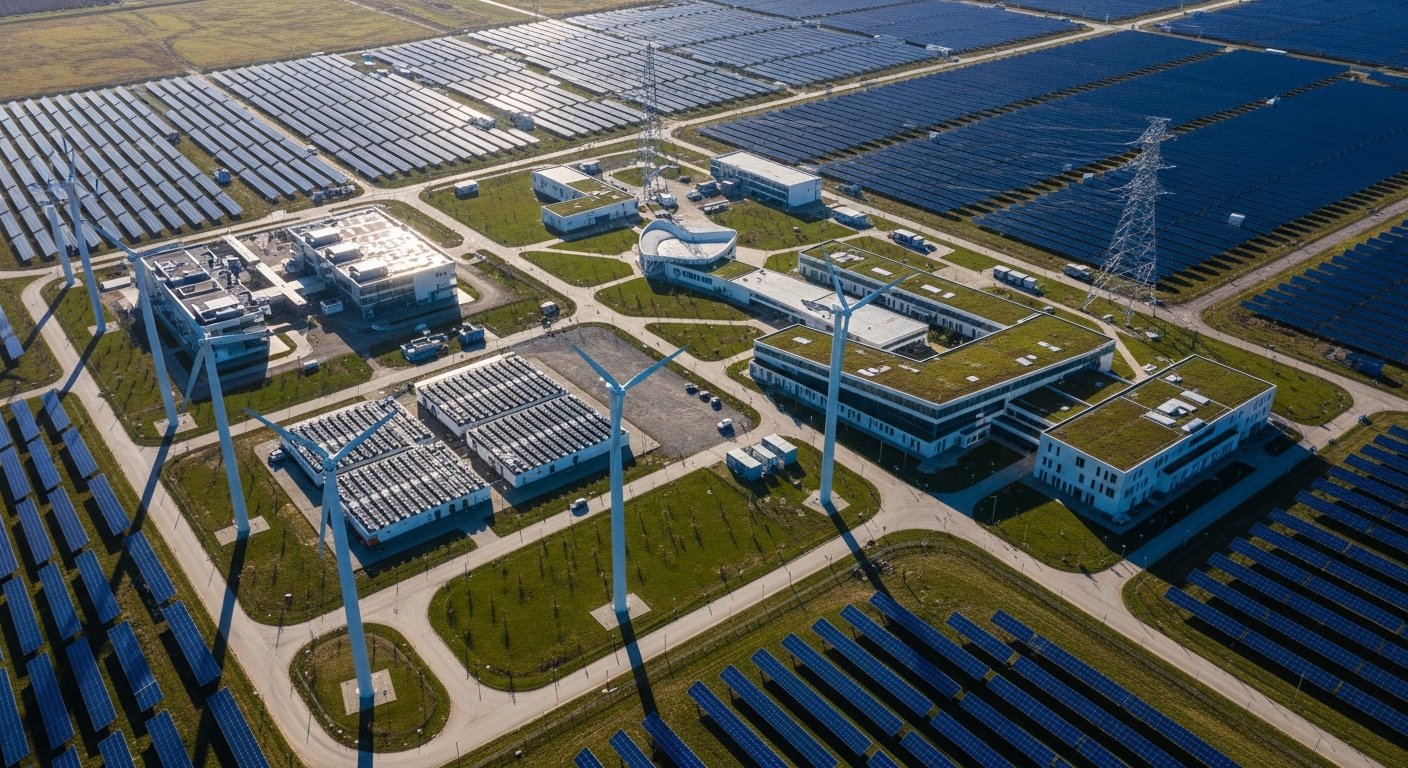
Hyperscale and AI Compute
Support high-density, rapidly expanding electrical loads with phased power capacity, resilient architecture, and a strategy aligned with the customer’s development timeline.
Explore Data-Center Power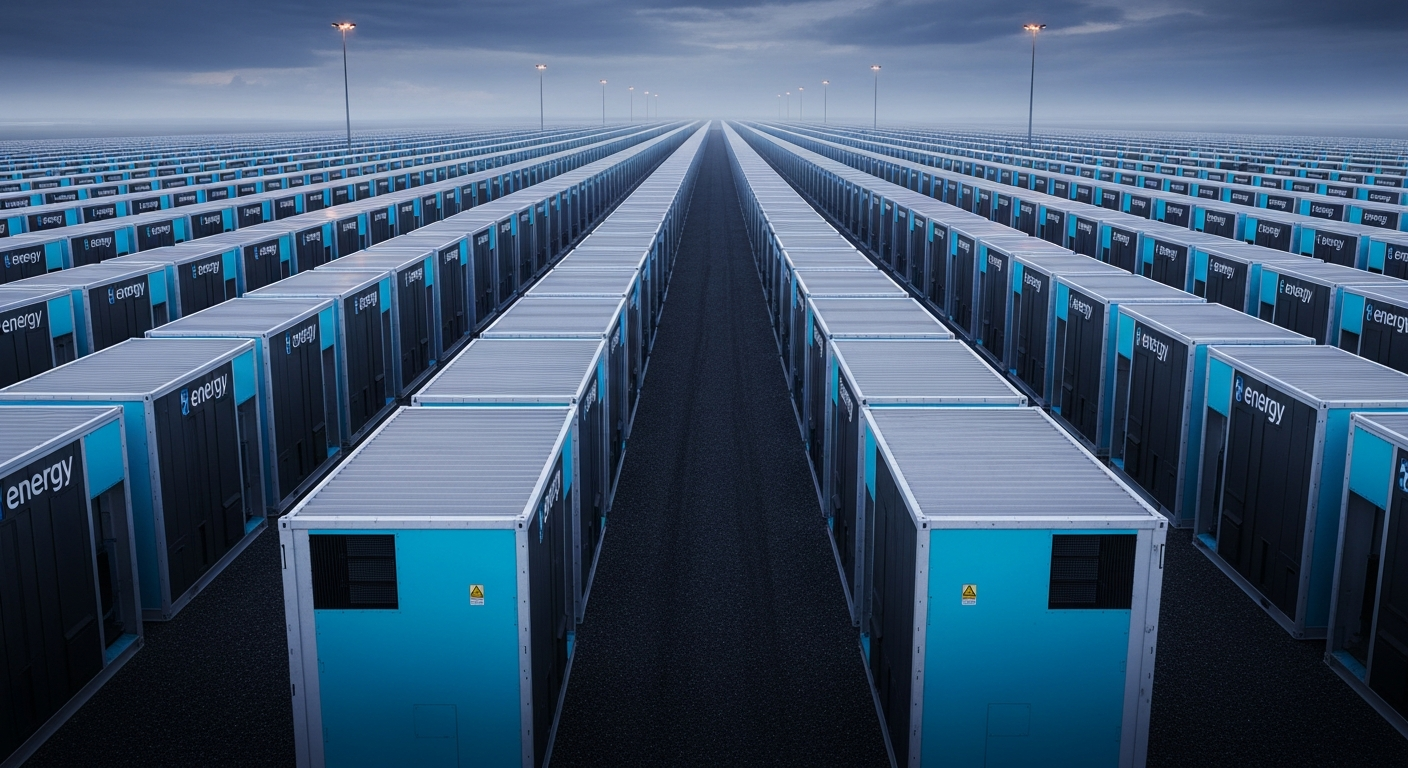
Government and Defense
Develop resilient energy infrastructure for installations, emergency operations, public facilities, secure campuses, and mission-critical environments.
Explore Government Solutions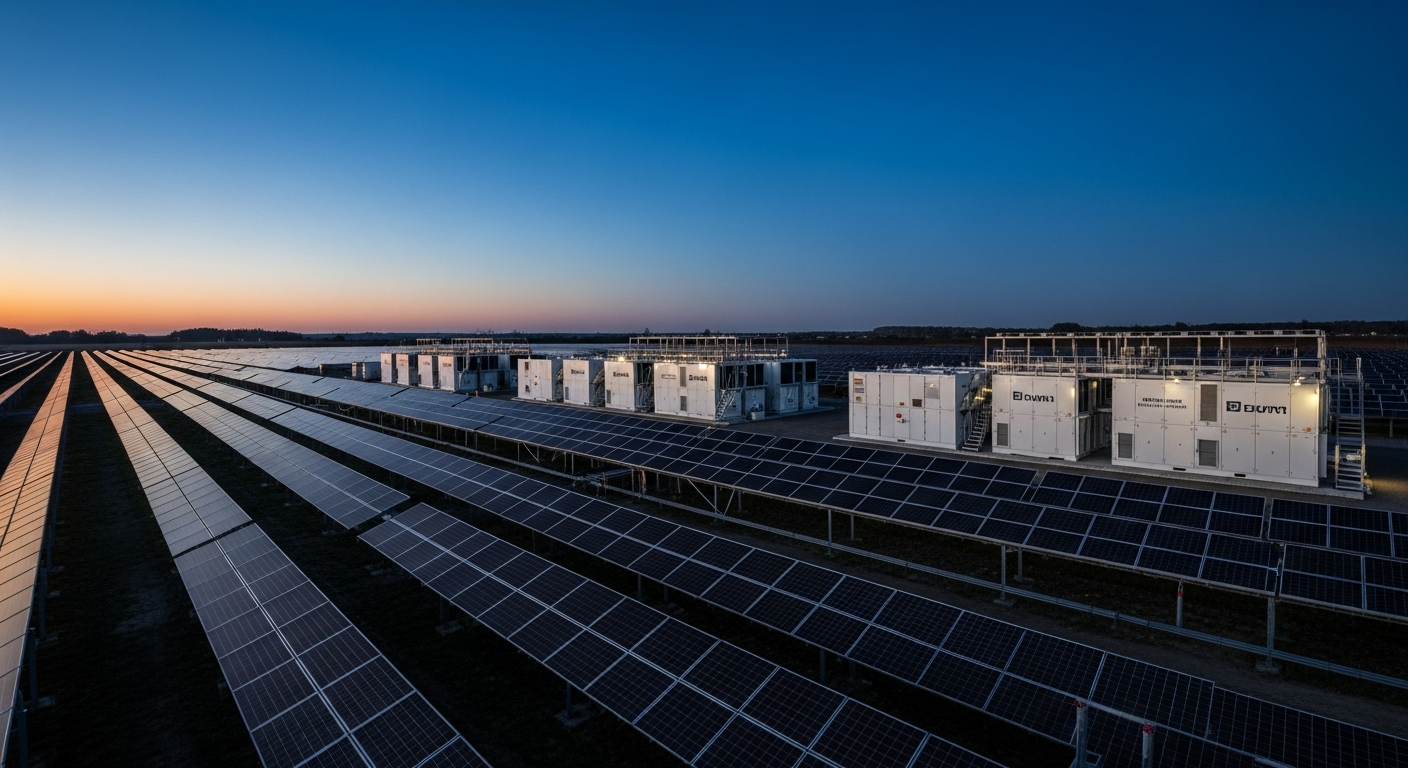
Industrial and Manufacturing
Support production facilities where outages, demand constraints, expansion delays, and power-quality issues create direct operational and financial risk.
Explore Industrial Solutions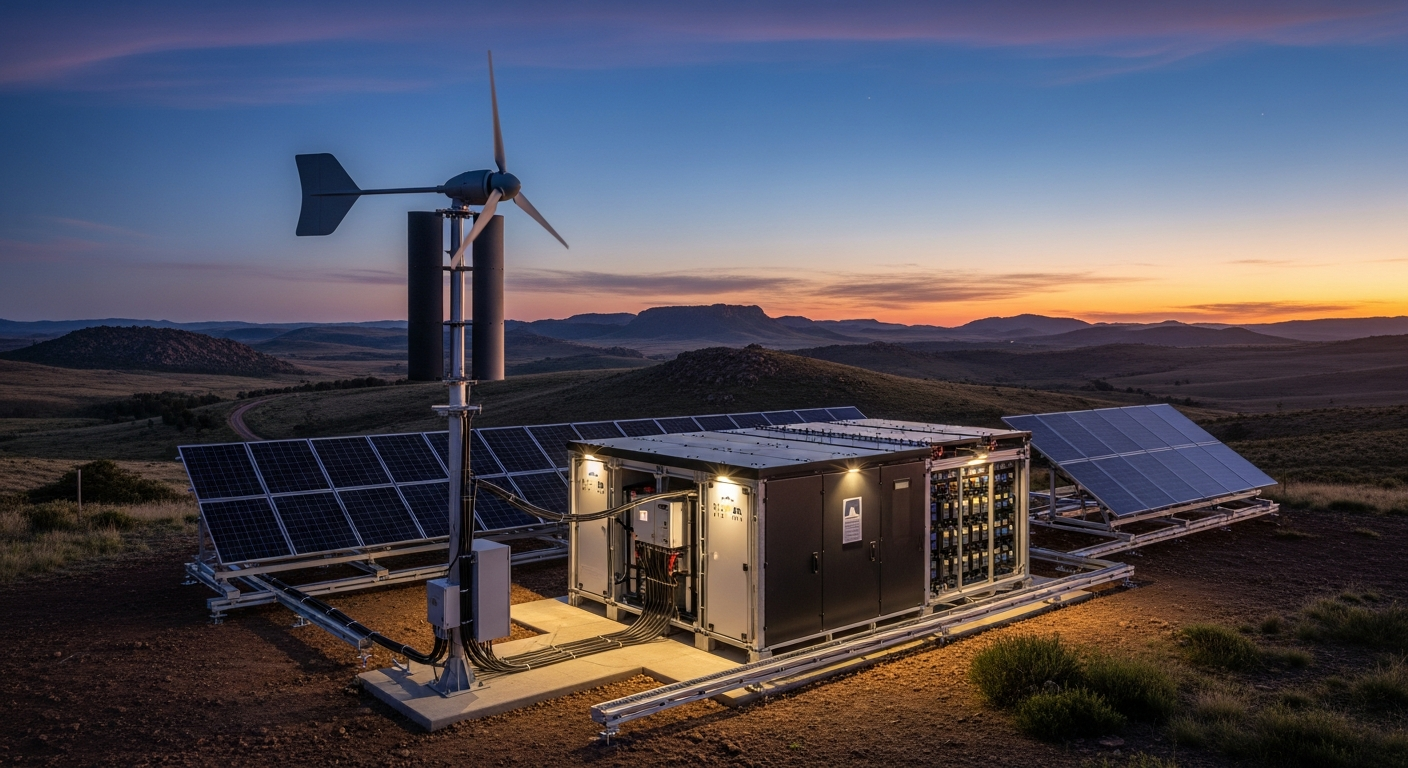
Remote and Critical Infrastructure
Deliver site-specific systems where conventional grid infrastructure is unavailable, insufficient, vulnerable, or economically impractical.
Explore Critical Infrastructure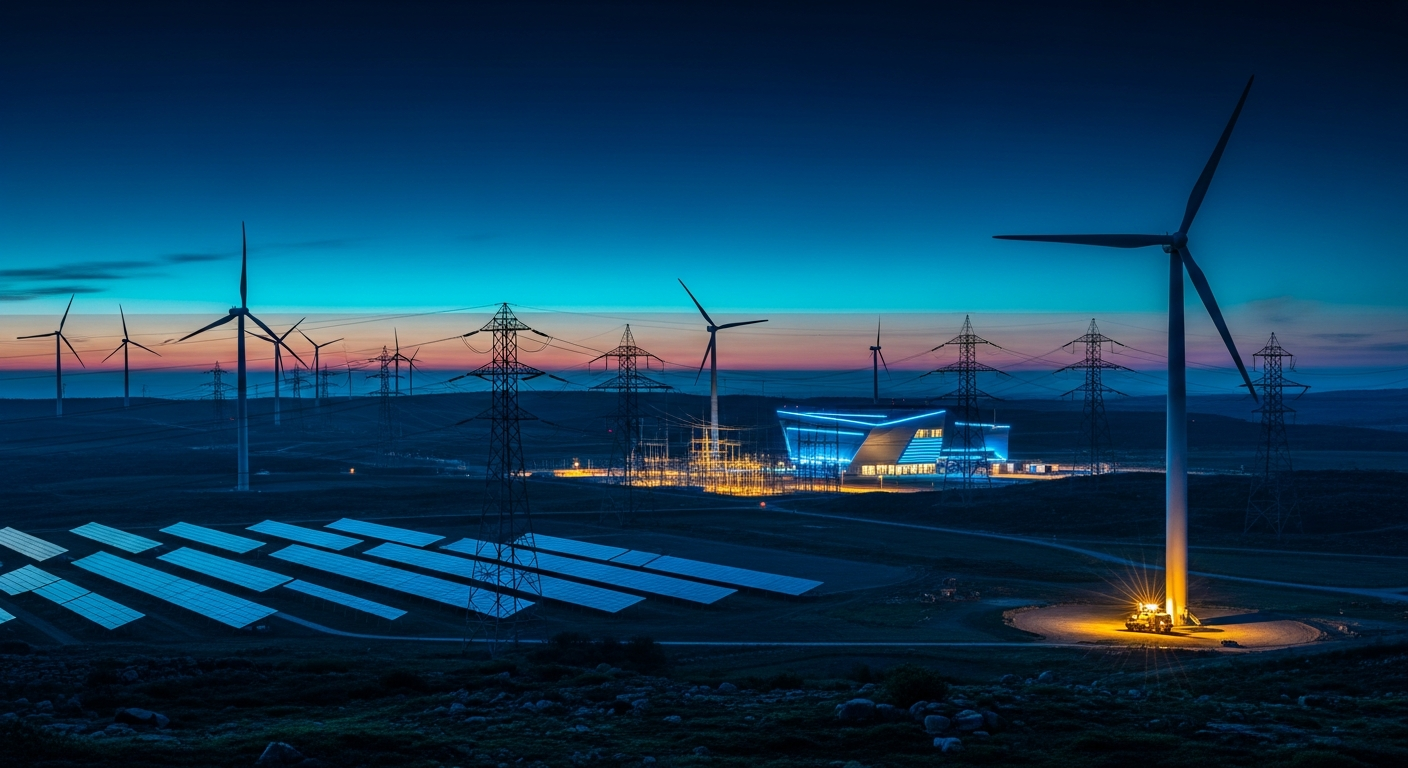
Securing the power foundation for the next generation of critical infrastructure.
One coordinated path from power constraint to operational capacity.

Power Readiness Assessment
Evaluate site control, required capacity, load profile, target energization date, utility status, permitting environment, and reliability requirements to produce a preliminary power pathway.

System Architecture and Commercial Strategy
Develop preliminary single-line architecture, technology configuration, capacity phasing, project economics, ownership/financing pathway, and initial implementation schedule.
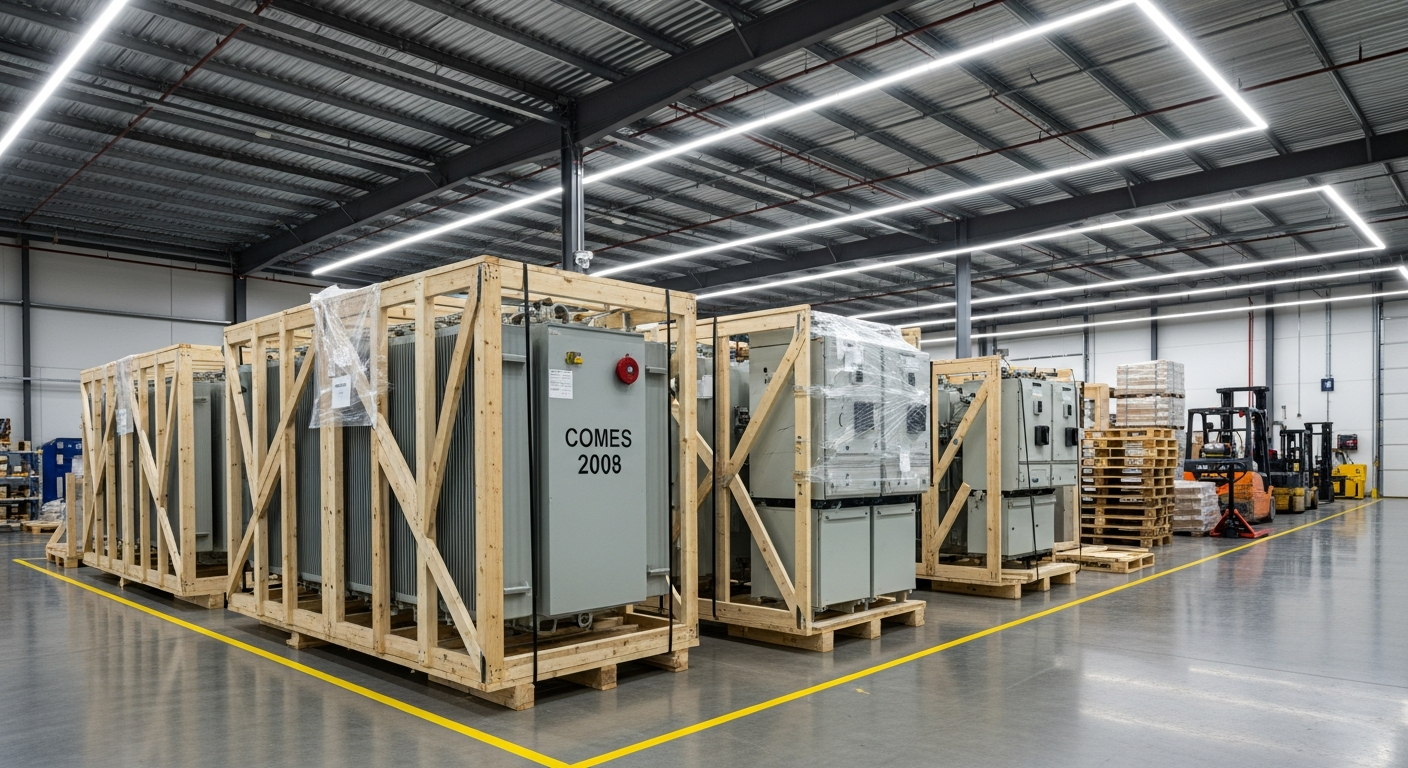
Engineering, Permitting, and Procurement
Coordinate detailed engineering, site design, environmental requirements, local permitting, equipment selection, utility coordination, and long-lead procurement.
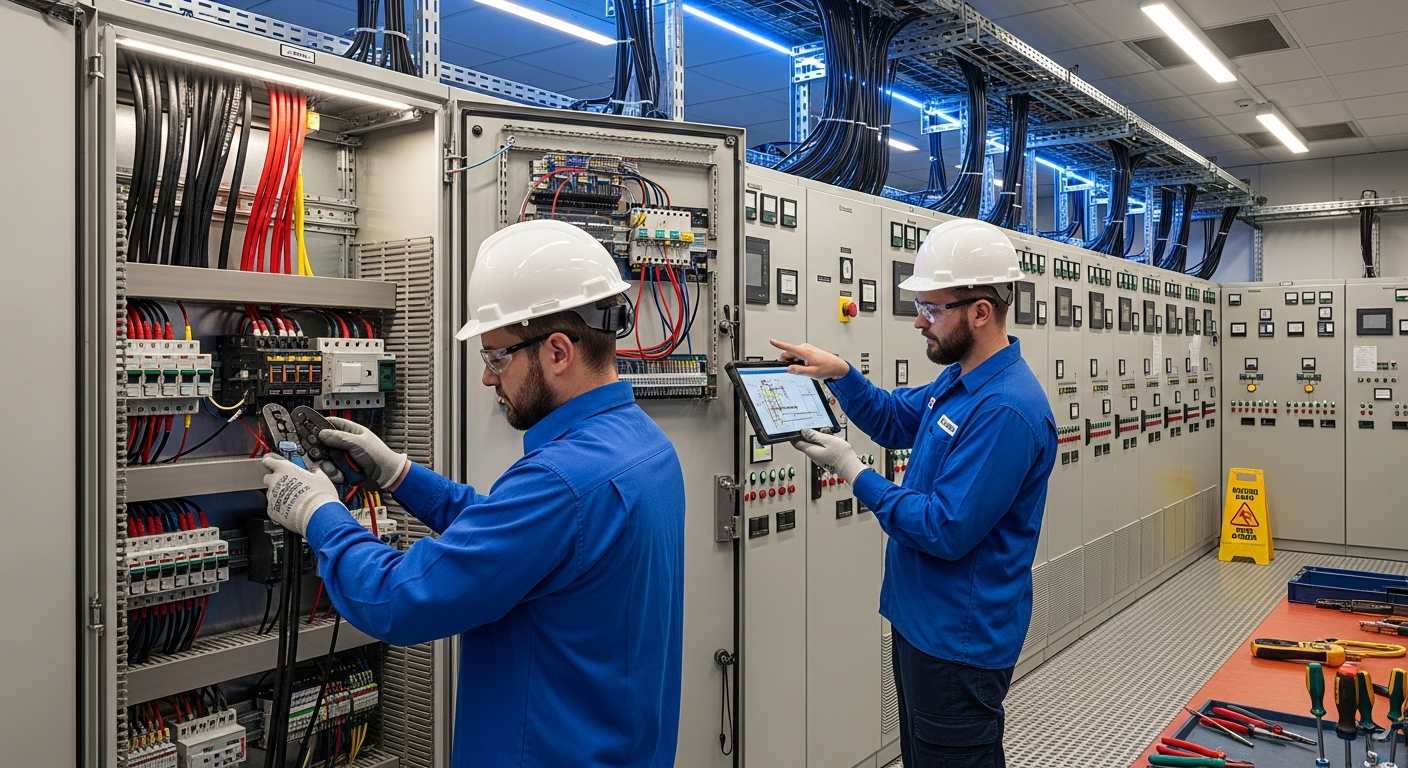
Deployment and Commissioning
Execute site preparation, equipment installation, electrical integration, controls integration, testing, commissioning, operator training, and initial energization.
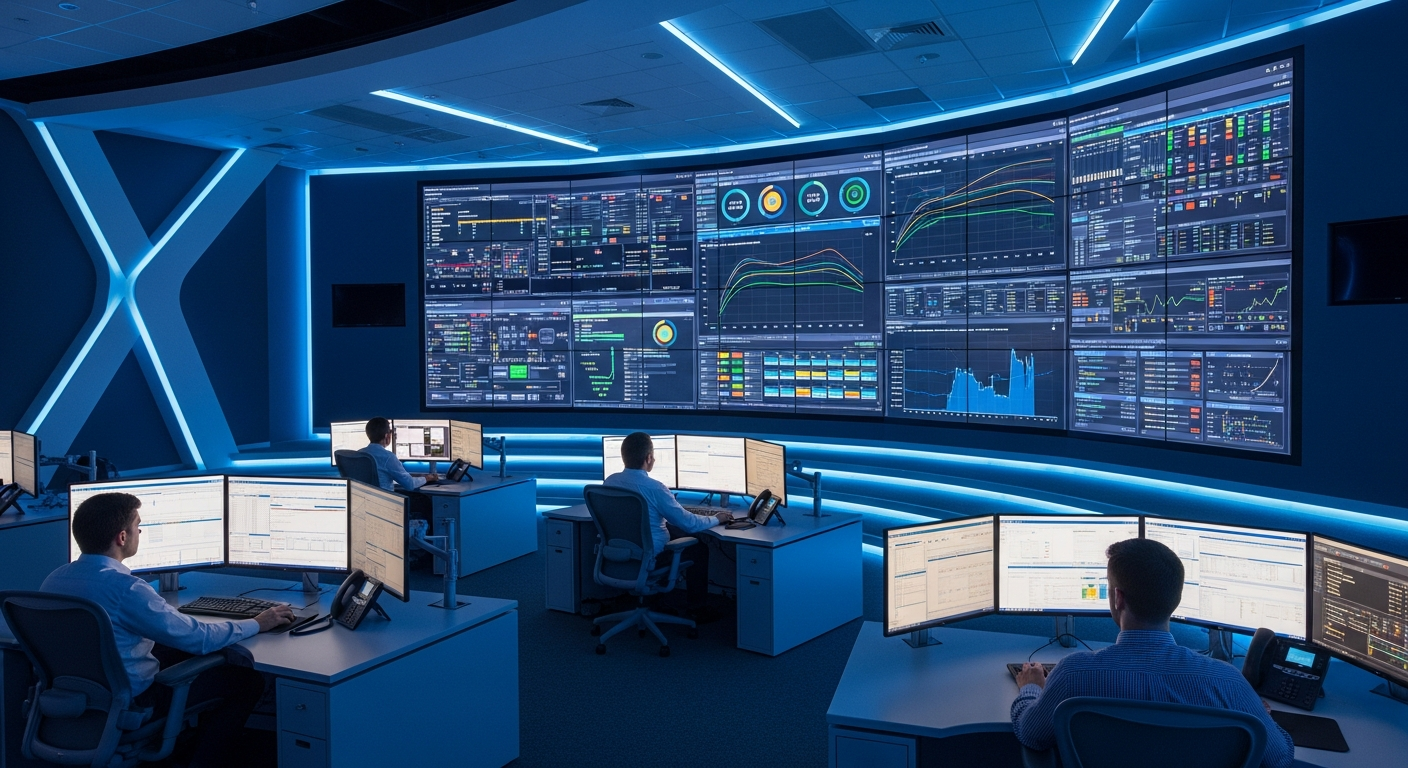
Operations and Optimization
Support remote monitoring, preventive maintenance, performance optimization, capacity expansion, dispatch strategy, and grid coordination.
Forerunner’s role and contractual scope are established project by project and may include development, integration, owner’s representation, engineering coordination, procurement, construction management, commissioning, operations, or strategic partnerships.
A credible path to power in months—not years.
The objective is not to make unrealistic promises. It is to identify qualified sites where permitting, equipment, fuel, land, engineering, and deployment conditions support an accelerated behind-the-meter strategy. For those projects, Forerunner develops a phased plan that can target initial energization in under six months while preserving a pathway to larger long-term capacity.
What Can Accelerate
- Secured site control
- Defined load profile
- Favorable zoning and permitting
- Modular equipment
What Can Affect Schedule
- Air and environmental permits
- Equipment lead times
- Interconnection requirements
- Supply-chain constraints
Technology-agnostic architecture. Site-specific execution.
Forerunner does not force every customer into a predetermined technology package. Each system is configured around the facility’s load, schedule, reliability needs, site resources, operating model, and economic requirements.
Designed for serious infrastructure decisions.
Engineering Discipline
Systems engineered to precise facility load profiles and reliability standards, avoiding generic solutions for mission-critical operations.
Schedule Transparency
Each project begins with defined assumptions, dependencies, critical-path items, and schedule risks. Customers receive a realistic deployment pathway.
Risk Management
Technical, permitting, commercial, supply-chain, fuel, utility, environmental, and operating risks are identified early and tracked through project development.
Technology Integration
Agnostic component selection ensuring the optimal mix of generation, storage, and controls for each specific site.
Energy resilience for public and mission-critical infrastructure.
Forerunner supports agencies and public-sector partners evaluating on-site power, microgrids, resilience, continuity of operations, emergency preparedness, and long-term energy security.
- • Feasibility and energy planning
- • Microgrid architecture
- • Resilience assessments
- • Deployment coordination
Is your infrastructure ready for the demands of AI?
Evaluate your power position, site conditions, deployment schedule, resilience requirements, capacity plan, and current project constraints. The Forerunner AI Infrastructure Readiness Audit will help establish where your project stands and what should happen next.
The audit provides an initial strategic assessment and does not constitute an engineering opinion, project acceptance, financing commitment, utility commitment, or schedule guarantee.