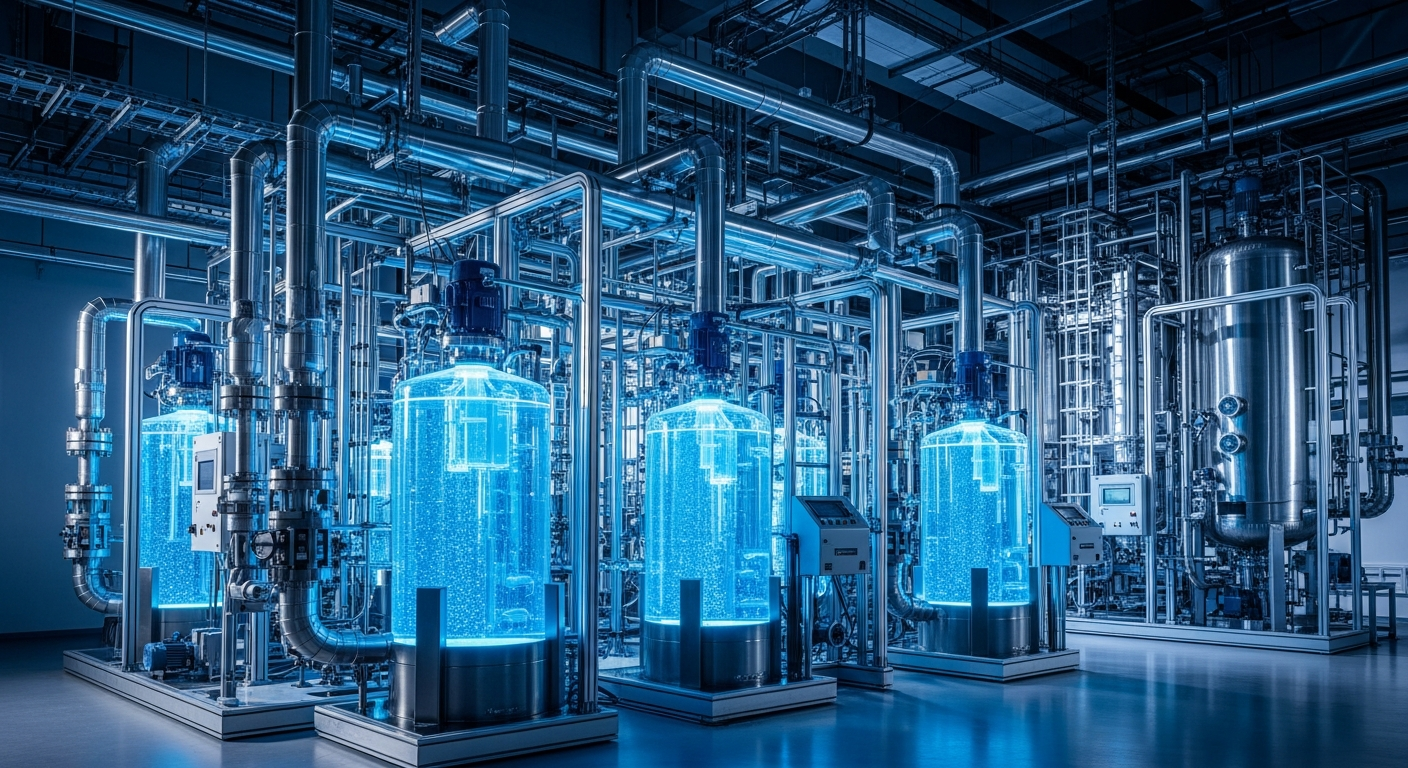
Clean power, on demand —
made from air + electricity.
Our hydrogen systems generate, store, and convert hydrogen into quiet, reliable electricity for off-grid and resilience applications.
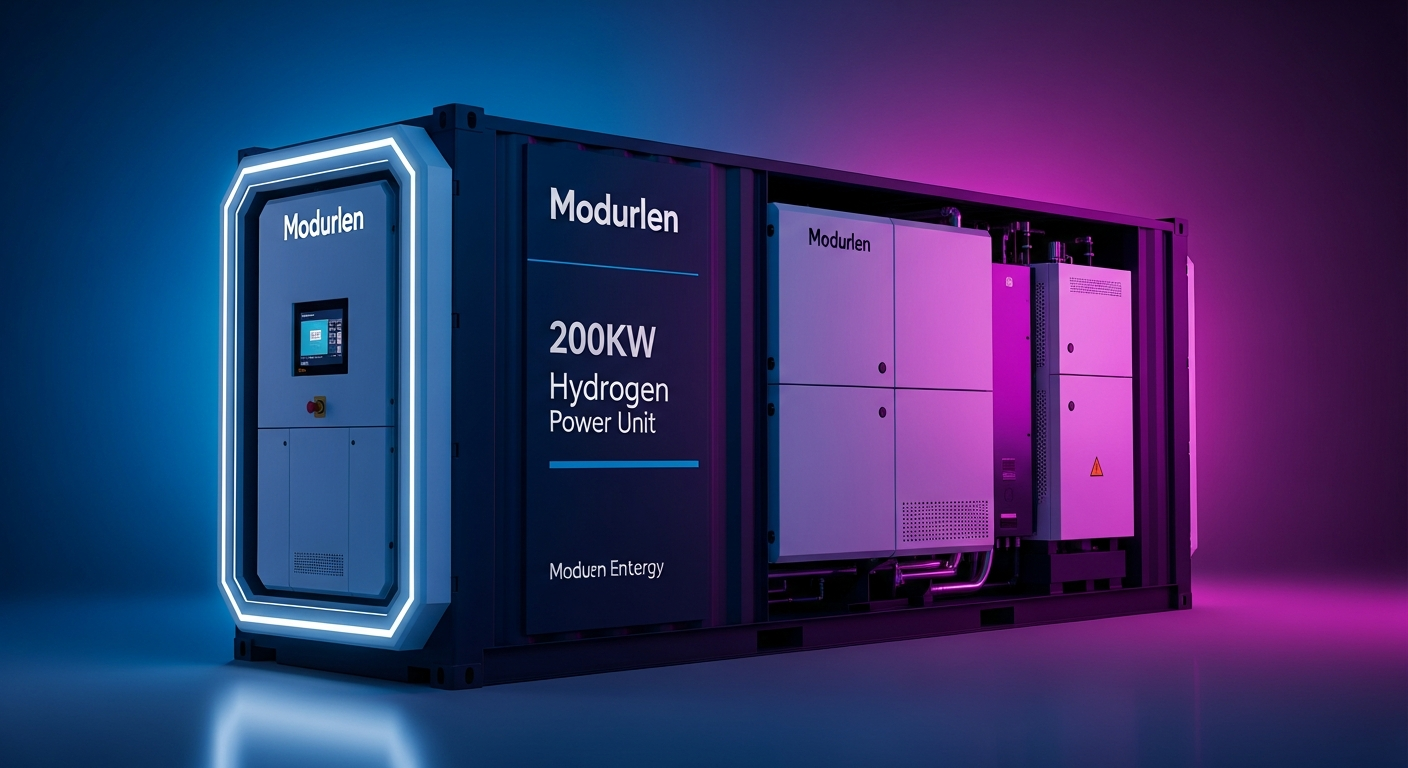
How It Works
We use electricity to split water into hydrogen. We store that hydrogen. When power is needed, a fuel cell converts hydrogen back into electricity — quietly, efficiently, and without combustion.
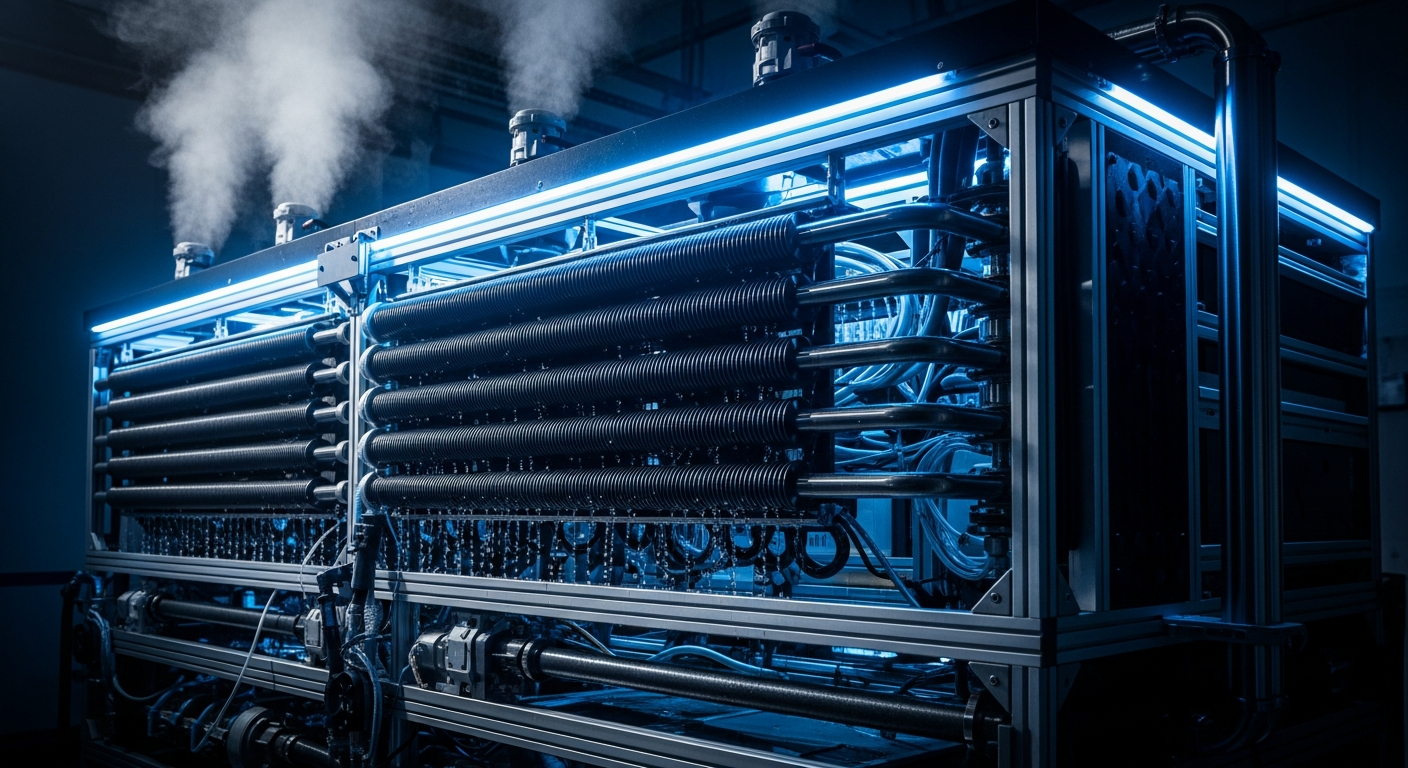
Water from Air
Atmospheric water extraction captures moisture from the environment.
No external water supply needed — works in remote locations.
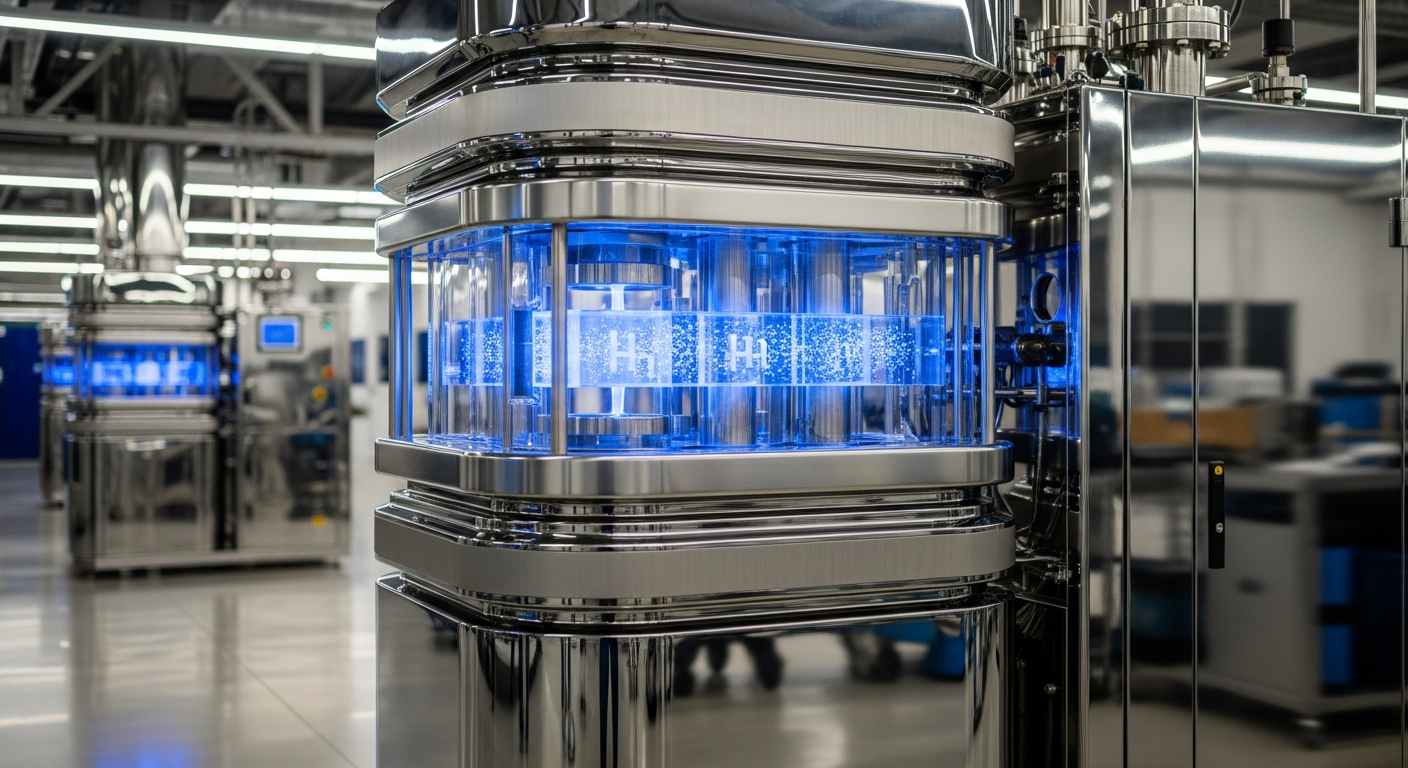
Electrolysis
Electricity splits water into hydrogen and oxygen (H₂O → H₂ + O₂).
Zero carbon emissions — only water and electricity go in.
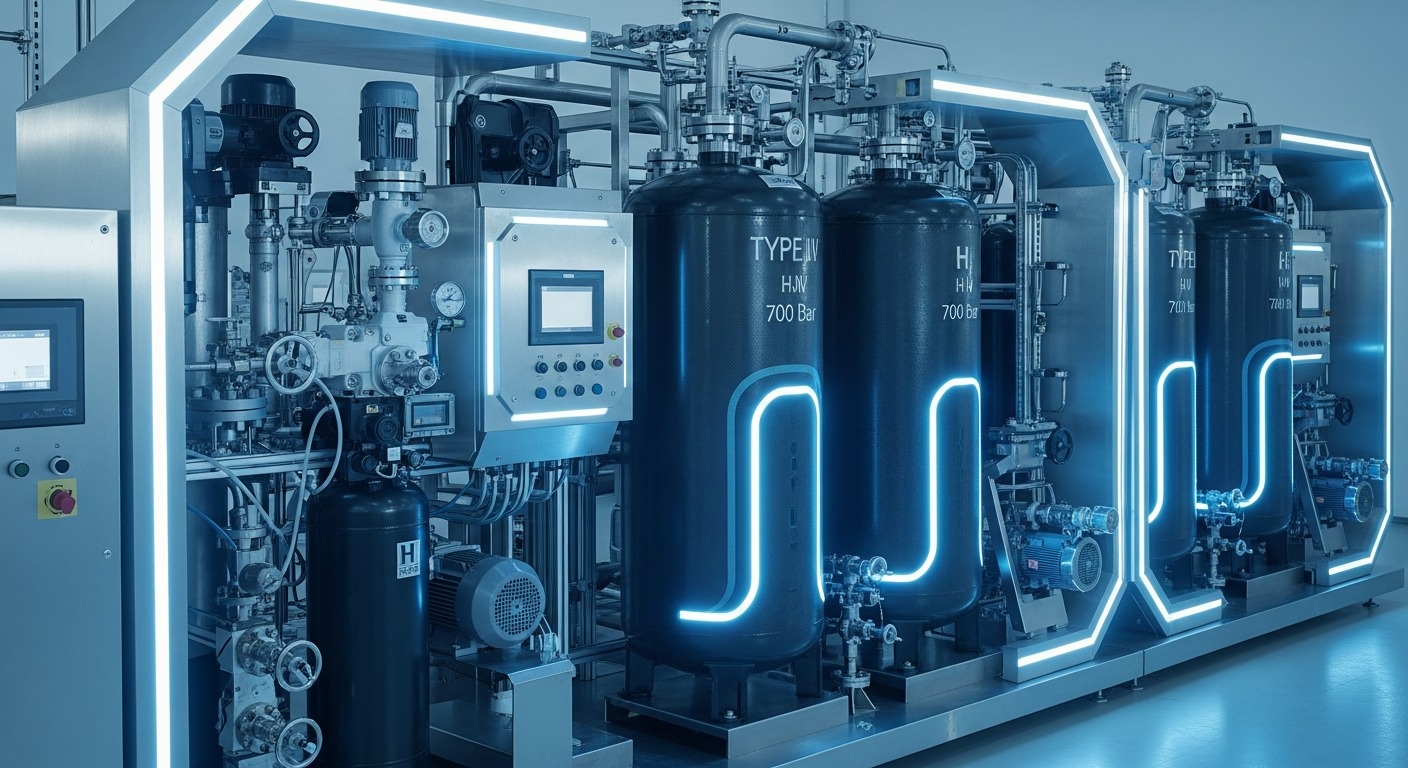
Compression & Storage
Hydrogen is compressed and stored in high-pressure tanks.
Store energy for days or weeks, not just hours.
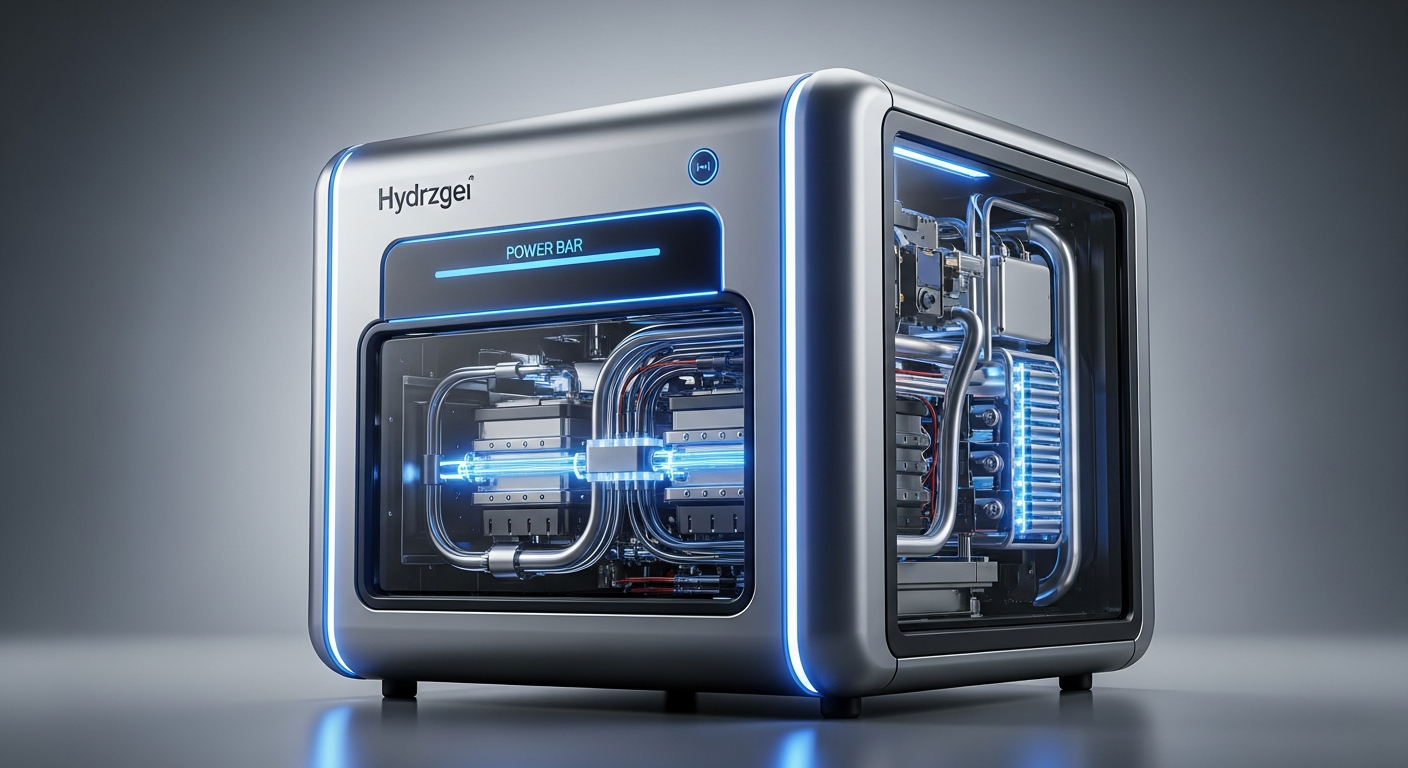
Fuel Cell Power
Hydrogen recombines with oxygen to generate electricity.
Quiet, efficient power with only water vapor as exhaust.
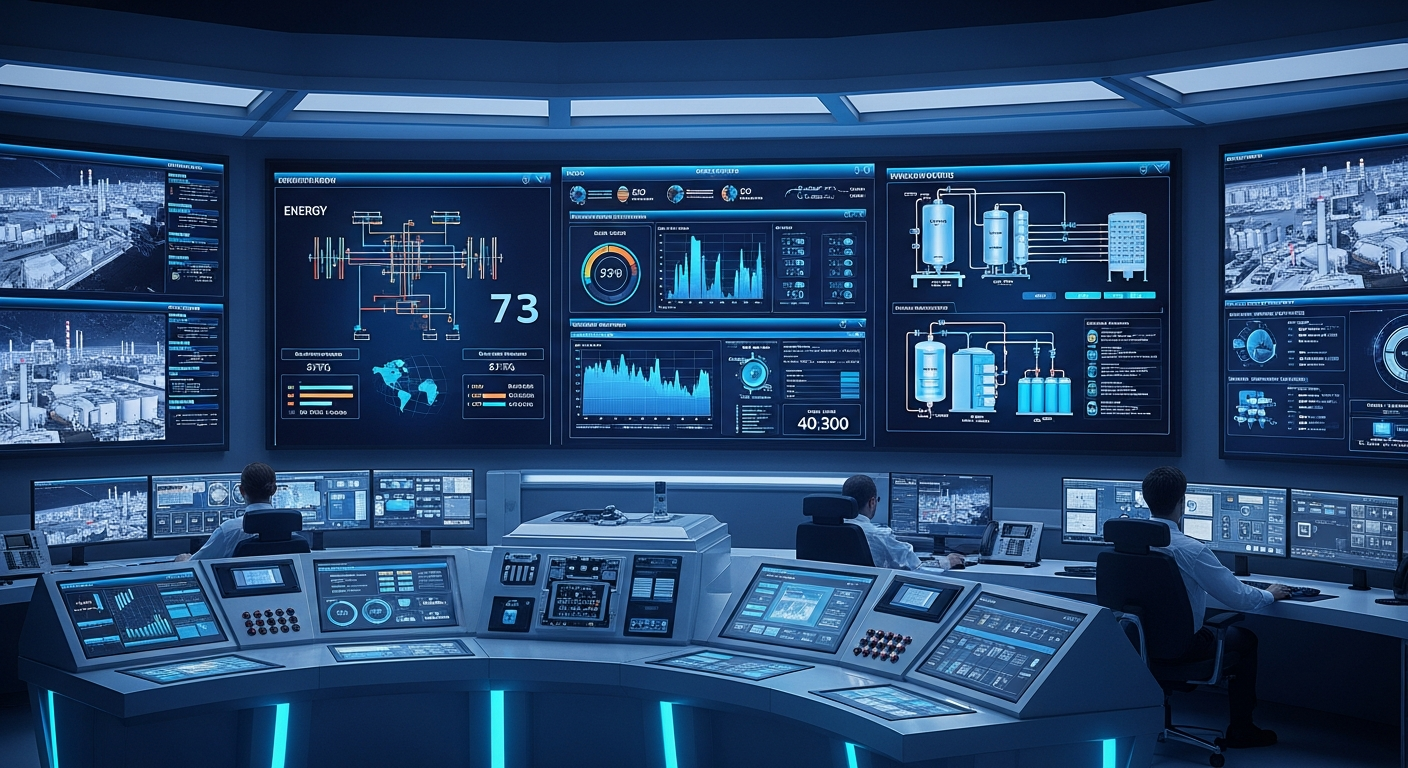
Controls & Telemetry
Smart systems manage everything with remote monitoring.
Set it and forget it — we monitor 24/7.
What Comes Out?
Clean, grid-quality power
Pure H₂O exhaust
Optionally recoverable
The System
What's inside a hydrogen energy system. Click any component for details.
Atmospheric Water Module
Extracts and purifies water from ambient air
Electrolyzer Stack
PEM technology splits water into H₂ and O₂
Compression System
High-pressure storage up to 700 bar
Storage Tanks
Type IV composite vessels for safe H₂ storage
Fuel Cell
Converts hydrogen back to electricity on demand
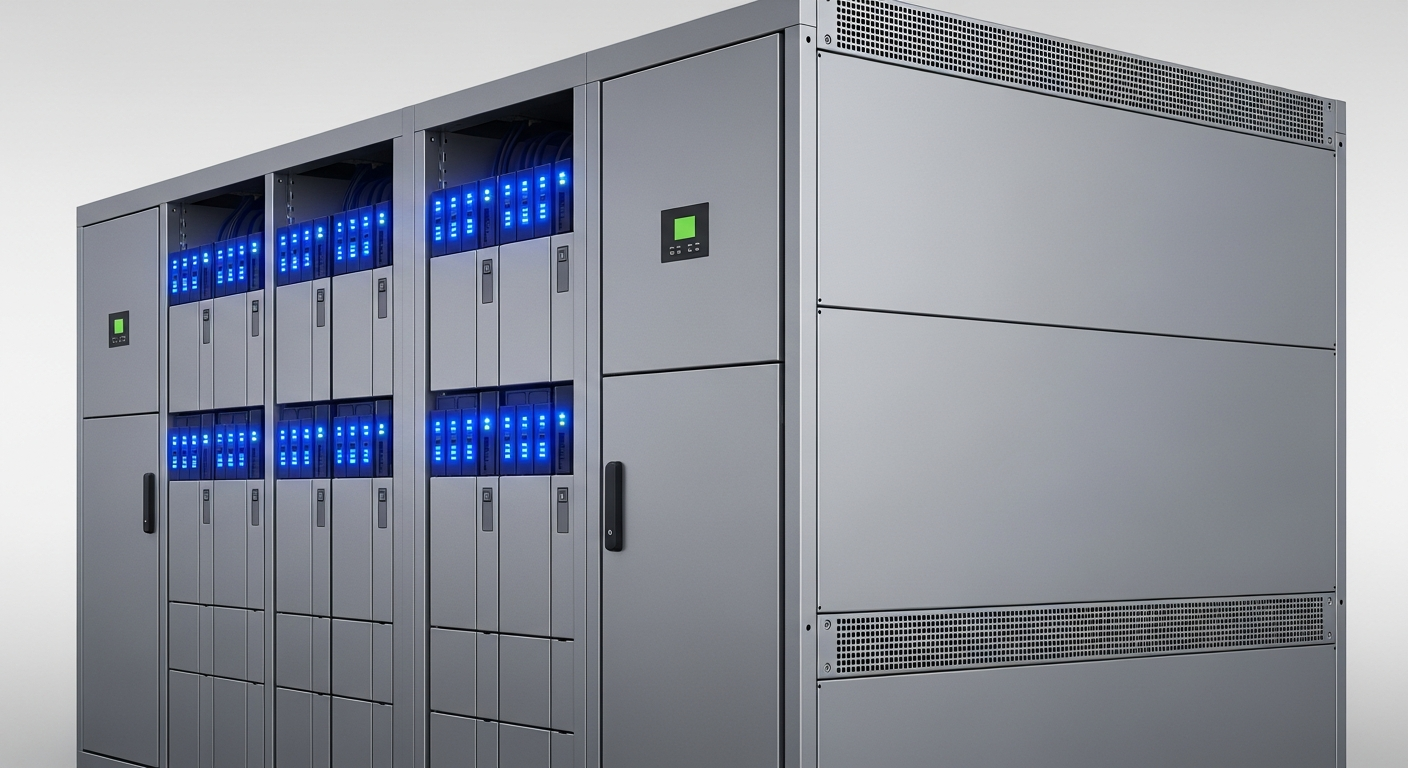
Battery/UPS
Instant backup during fuel cell startup
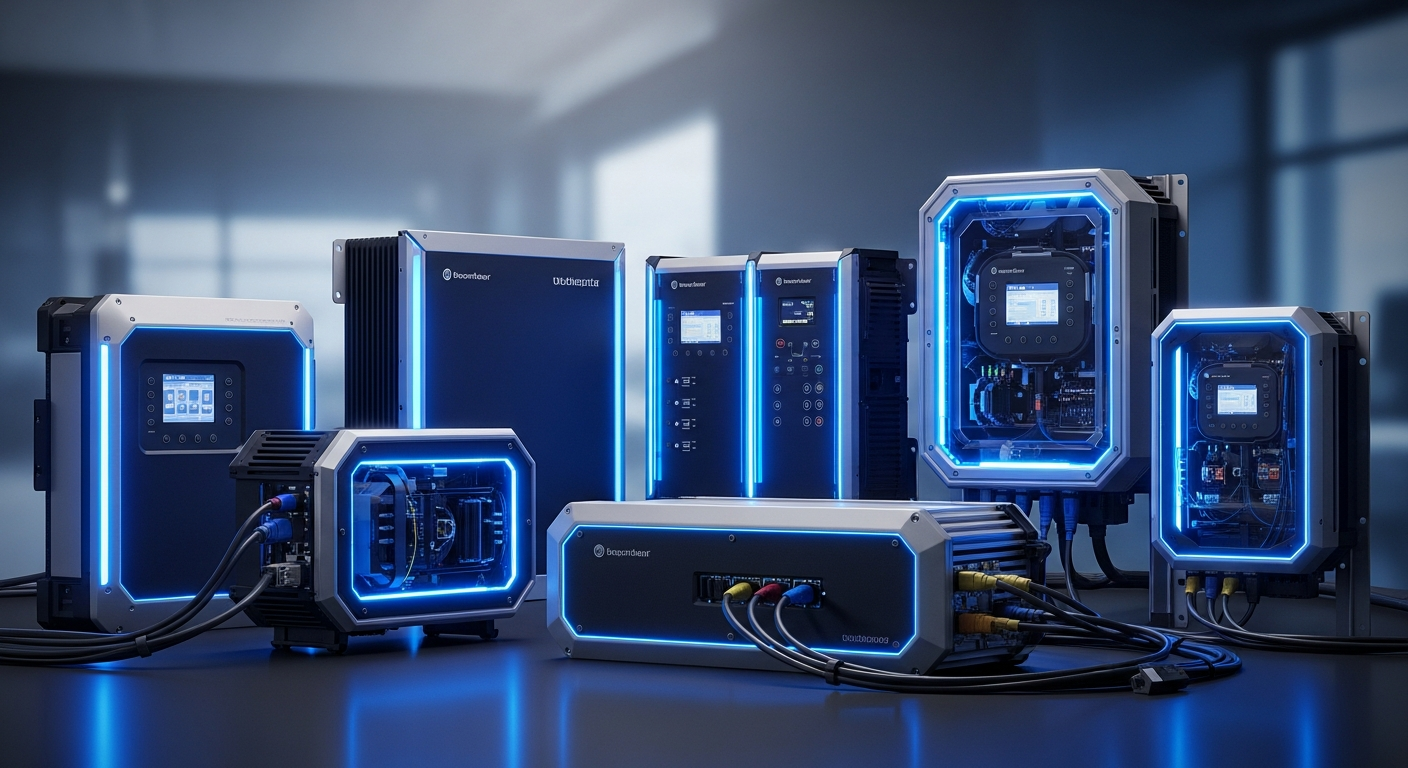
Power Electronics
Inverters, converters, and grid tie equipment
Remote Telemetry
24/7 monitoring and predictive maintenance
Use Cases
Solutions, not features. Here's how hydrogen power solves real problems.
Off-Grid Communities & Resorts
Remote locations with no grid access and expensive diesel generators.
Hydrogen provides clean, quiet, long-duration power without fuel deliveries.
1×200kW system with 3-day storage autonomy
16-24 weeks from contract to power-on
Microgrids & Resilience
Wildfire shutoffs, ice storms, and grid instability threaten operations.
Hydrogen microgrids island seamlessly, keeping critical loads running for days.
2-5×200kW systems with shared storage
20-28 weeks including utility coordination
Construction Power
Temporary power needs that become permanent infrastructure.
Deploy modular hydrogen for construction, then repurpose for permanent use.
Scalable 200kW modules, relocatable
12-16 weeks for temporary deployment
Data Centers
Backup generators are dirty and long-duration UPS is expensive.
Hydrogen provides clean backup power for hours or days, not minutes.
N+1 redundant fuel cell arrays
24-32 weeks for critical infrastructure
Defense & Remote Operations
Mission-critical power in austere environments without resupply.
Self-sufficient power generation from water and renewable inputs.
Containerized, transportable systems
Expedited timelines available
Safety & Compliance
Hydrogen is safe when engineered correctly. Here's how we do it.
Hydrogen Safety Basics
- Combustible gas detectors at multiple points
- Forced ventilation with fail-safe activation
- Proper setback distances from structures
- Emergency shutoff systems
Design Standards
- NFPA 2 Hydrogen Technologies Code
- ASME B31.12 Hydrogen Piping
- SAE J2579 Hydrogen Storage
- IEC 62282 Fuel Cell Standards
Storage Engineering
- Type IV composite tanks (DOT/TC certified)
- Pressure relief devices with vent stacks
- Double-wall containment options
- Leak detection with automatic isolation
Commissioning & Training
- Site-specific safety orientation
- Operator certification program
- Emergency response procedures
- Annual refresher training included
Project Process
From first call to power-on, here's what to expect.
Engineering & Design
4-6 weeksSite assessment, load analysis, system sizing, permitting strategy
Build & Procurement
12-16 weeksEquipment manufacturing, site prep, foundation and utilities
Commissioning
4-6 weeksInstallation, testing, grid interconnection, operator training
Operations
OngoingRemote monitoring, preventive maintenance, 24/7 support