Choose Your Chemistry
Different applications require different solutions. We offer three proven battery technologies, each optimized for specific use cases and budgets.
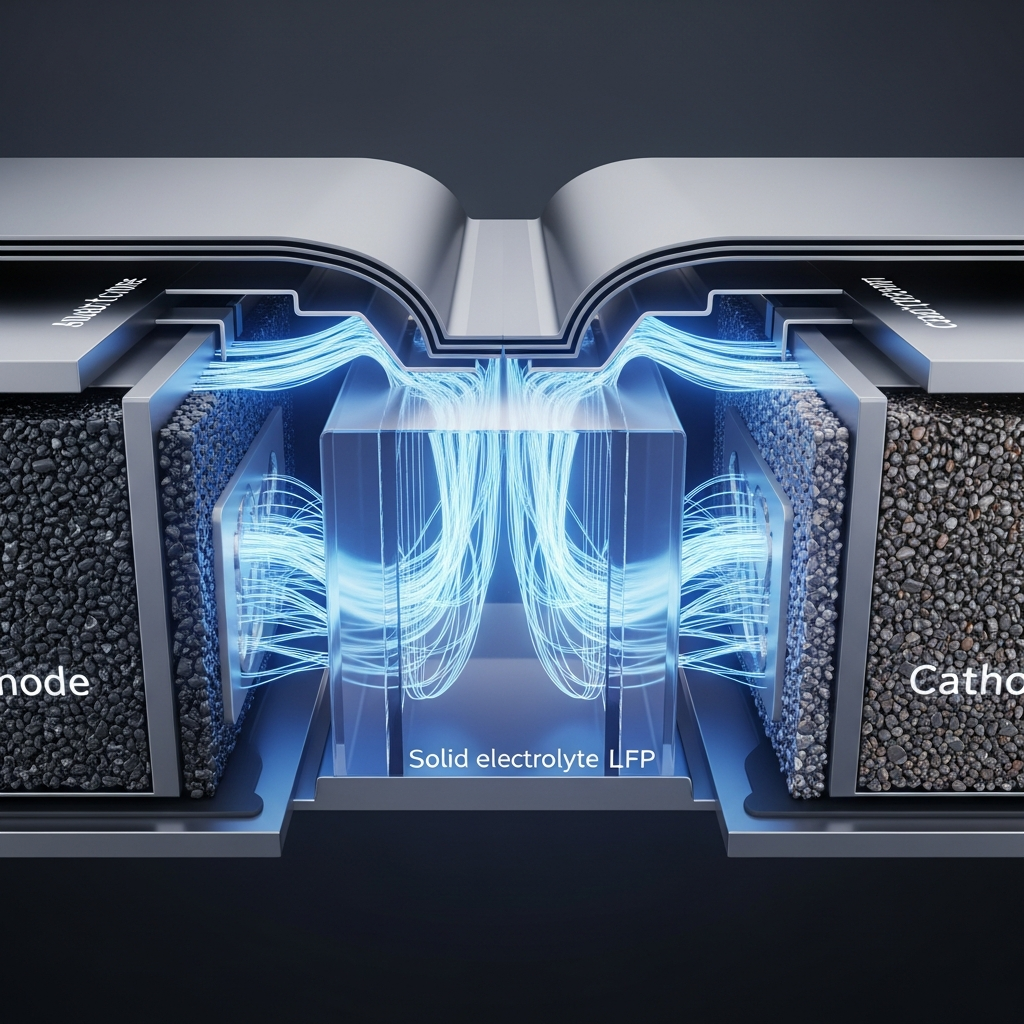
Solid State Batteries
The future of energy storage. Solid state batteries replace liquid electrolytes with solid materials, offering superior energy density, faster charging, and enhanced safety with no risk of thermal runaway.
Ideal For:
Premium residential installations, mission-critical applications, extreme climates
Key Features
- 50% higher energy density than lithium-ion
- No fire or explosion risk
- Faster charging capabilities
- 25+ year lifespan
- Extreme temperature tolerance
Lithium Iron Phosphate (LiFePO4)
The workhorse of modern energy storage. LiFePO4 batteries offer exceptional cycle life, thermal stability, and safety at a competitive price point. Widely proven in residential and commercial applications.
Ideal For:
Residential systems, commercial installations, daily cycling applications
Key Features
- 6,000+ cycle lifespan
- Inherently stable chemistry
- No cobalt or rare earth metals
- Flat discharge curve
- Works well in most climates
Lead Acid Batteries
The original rechargeable battery technology, refined over 150 years. Modern sealed lead acid batteries remain a cost-effective solution for backup power and off-grid applications where upfront cost is the priority.
Ideal For:
Budget-conscious projects, backup power systems, off-grid cabins
Key Features
- Lowest upfront cost
- 100% recyclable
- Well-understood technology
- Wide availability
- Simple maintenance
Why Battery Storage?
Backup Power
Keep your home running during grid outages
Peak Shaving
Avoid expensive peak electricity rates
Time Shifting
Use solar power after the sun goes down
Grid Services
Earn money by supporting the grid
Performance at a Glance
Real numbers that demonstrate the power of modern battery storage systems.
Upgrade Your Solar System With Battery Storage
Already have solar? Tell us about your existing system and we'll recommend the perfect battery solution for your setup.
Inverter Type Matters
Microinverters vs. string inverters determine which batteries are compatible with your system.
AC vs DC Coupling
Your inverter type determines whether you need AC-coupled or DC-coupled battery storage.
Right-Size Your Battery
Your production, usage patterns, and backup needs help us recommend the right capacity.
Why We Need These Details
Battery compatibility depends on your existing equipment. Providing accurate information helps us recommend the best solution without unnecessary site visits.